.png)
What Are Backlinks and Do They Still Matter for Service Businesses?
What backlinks are, whether they still matter in 2026, and how service businesses earn good ones from partners, associations and media without spam.

Backlinks, links from other websites to yours, still matter for service businesses, but only as one factor among many. A few relevant links from real organisations beat lots of cheap ones. The best come from professional associations, referral partners, local and industry media, directories that matter and community sponsorships, not from bulk link sellers.
If you've ever had an SEO person cold-email you promising "50 high-authority backlinks for $99", you've probably wondered two things. What actually is a backlink? And should I care?
The honest answer is yes, a bit, but not in the way those emails suggest. For an established service business, the links that matter aren't bought in bulk. They come from the real relationships and reputation you already have, and most people are leaving them sitting on the table.
What is a backlink?
A backlink is a link on someone else's website that points to yours. If your professional association lists you in its member directory with a link to your site, that's a backlink. If a local news site writes about your clinic and links to it, that's a backlink. If a referral partner mentions you on their "people we trust" page, same thing.

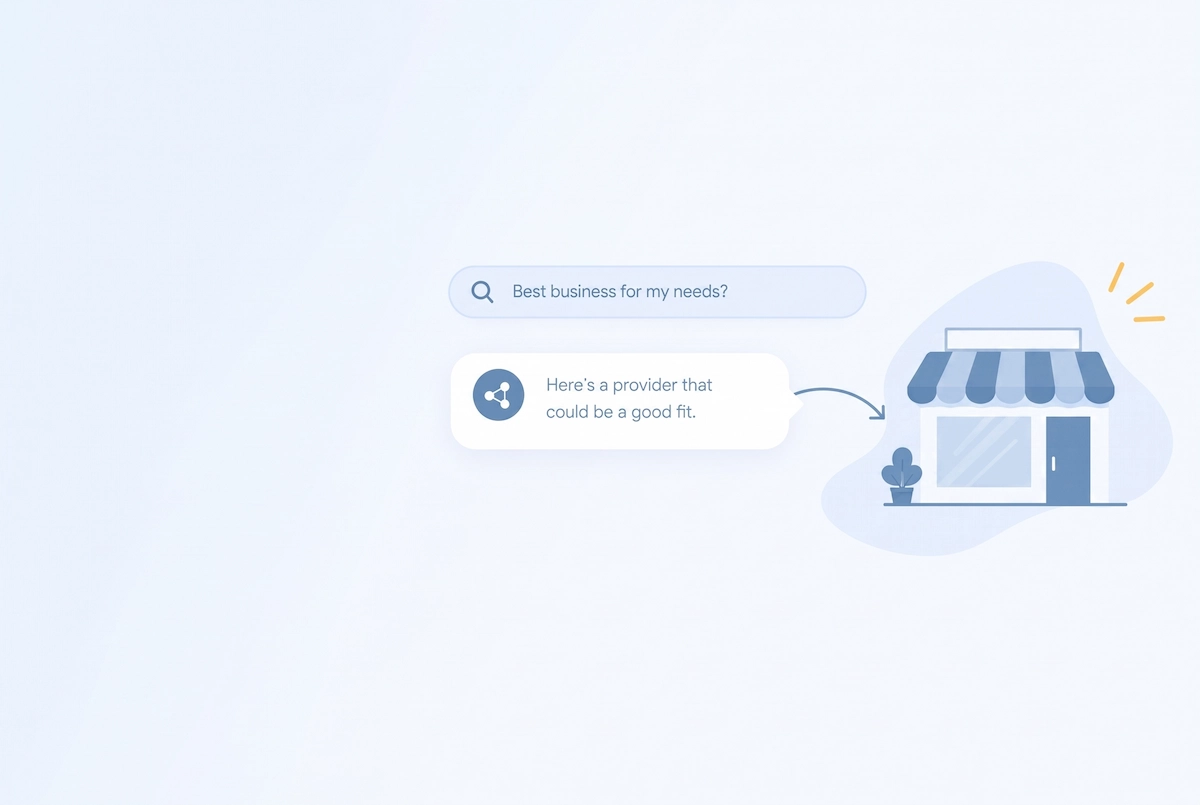
Search engines treat those links as a kind of reference. When a relevant, trustworthy site links to you, it's a signal that you're real, you're credible and other people vouch for you. It's the online version of a referral.
There's a second benefit people forget: backlinks send actual humans. Someone reading your association's directory, or a local article, can click straight through to your site. Those visitors often arrive warmer than someone who just searched a keyword, because someone they trust already pointed them to you.
Do backlinks still matter for SEO in 2026?
Yes, but they're one ingredient, not the whole recipe. Google still uses links to help understand which sites are trustworthy, but its own people have said in recent years that links matter less than they used to, and that great content and a genuinely useful site come first. A handful of relevant links from real organisations will do far more for you than hundreds of random ones.
For service businesses, a few other things have become just as important:
- Your Google Business Profile. For anyone who serves a local area, this is often what shows up first. Reviews, accurate details and regular updates matter a lot here.
- Consistent mentions of your business name, address and phone number across directories and listings (often called citations). Even without a link, these help Google confirm you're a legitimate business in a particular place.
- Being mentioned by credible sources. AI tools and answer engines lean on what trusted sites say about you when they decide who to recommend. I cover this in more detail in how to show up in AI search results.
So think of backlinks as part of a bigger idea: being visibly vouched for, all over the internet, by people and organisations that make sense for your business.
Not sure what your website is actually costing you?
Four Questions. Two minutes
Where do good backlinks come from for a service business?
This is the good news. You don't need a link-building campaign. You need to collect the links you've already earned in real life. Start with these.
Professional associations and industry bodies
Most associations have a member directory or "find a practitioner" page. Check you're listed, that your details are current and that the listing links to your website, not just your email address.
Referral partners and suppliers
The accountant who refers to your advisory practice. The GP clinic that sends patients your way. The photographer you always recommend. Many of these businesses have a partners or resources page and would happily add you if you asked. Offer to do the same for them where it genuinely makes sense.
Local and industry media
Local news, industry newsletters and podcasts are always looking for people who can explain things clearly. If you're interviewed or quoted, politely ask whether they can link to your site in the article or show notes.
Directories that actually matter
Skip the spammy "submit your site to 500 directories" services. Focus on the handful people in your field actually use: your Google Business Profile, relevant industry directories, your local chamber of commerce and any government or health registers that apply to you.
Community and sponsorships
If you sponsor a local sports club, run a workshop for a community group or support a charity, they'll often list supporters on their website. That's a real, local, relevant link.

If working out which of these you already have (and which are broken or missing) sounds like a job you'll never get to, that's exactly the kind of ongoing care I look after in my Site Success Plans.
What backlinks should I avoid?
Google has clear spam policies around links, and the shortcuts can do more harm than good. Steer clear of:
- Buying links that pass ranking value. If you do pay for a sponsored mention, it should be marked as sponsored on the other site.
- Link swaps done at scale, like "I'll link to you if you link to me" with sites that have nothing to do with your business.
- Guest posting purely for links, especially on sites that will publish anything for a fee. Writing a genuinely useful article for a respected publication in your field is fine. Churning out keyword-stuffed posts on random blogs isn't.
- Anyone promising a set number of links for a set price. Those links almost always come from low-quality sites built for that purpose.
The test I use is simple: would this link exist if search engines didn't? If the answer is yes, it's probably a good one.
Make sure the links land somewhere worth landing
Here's the part that gets missed. A link only helps if the page it sends people to is doing its job. If a GP clicks through from a directory and lands on a slow, dated homepage that doesn't clearly say who you help, that trust you just borrowed evaporates.
So before chasing more links, make sure your site is ready for the ones you get. Your site structure, local SEO basics and content all work together. Links tend to speed things up once those foundations are in place, and even then SEO takes time to show results. If you're publishing articles, blogging helps your SEO most when your posts are good enough that other people want to reference them.
The bottom line
Backlinks are the internet's version of word of mouth. You don't need hundreds, and you definitely don't need to buy them. Collect the links your real-world reputation has already earned, keep your Google Business Profile and listings accurate, avoid the shortcuts and make sure your website is worth arriving at.
What is a backlink?
A backlink is a link on another website that points to yours, such as a listing in your professional association's directory or a mention in a local news article. Search engines treat relevant links from trustworthy sites as a sign that you are credible, a bit like an online referral. They can also send real visitors who arrive already trusting you.
Are backlinks still important for SEO?
Yes, but they are one factor among many. Google still uses links to understand which sites are trustworthy, but useful content, a well-built site and, for local service businesses, an accurate Google Business Profile and consistent listings matter just as much. A few relevant links from real organisations are worth far more than lots of low-quality ones.
Should I pay for backlinks?
No. Buying links that pass ranking value goes against Google's spam policies and can hurt your site rather than help it. If you pay for a sponsored mention, it should be marked as sponsored. The safest and most effective links come from real relationships: associations, referral partners, local media, community groups and the directories people in your field actually use.