
Website Builder, Freelancer or Studio? Who Should Build Yours
Website builder, freelancer or studio? An honest guide to who should build your service business website, who each option suits, and what to ask first.

Use a website builder if you're just starting out and have more time than money. Hire a freelancer when you already know exactly what your website needs to say and who it's for. Choose a strategy-led studio when your business has outgrown its site and someone needs to work out the message before anything gets built.
Most people asking this question are stuck in the same spot. The current website feels a bit embarrassing, the referrals keep coming but nobody books from the site, and every option looks reasonable from the outside. Squarespace says you can do it in a weekend. A freelancer on Upwork says they can have it live in a fortnight. A studio says it'll take a month and wants to talk about your clients first.
They're all telling the truth. They're just solving different problems. Here's an honest look at each one, who it suits, and how to tell which one your business actually needs right now.
What do you get with a website builder like Squarespace or Wix?
A website builder gives you good-looking templates, hosting and a drag-and-drop editor in one monthly subscription. You pick a template, swap in your words and photos, and publish. For a brand-new business that needs somewhere to send people, that's genuinely useful.
What you don't get is anyone thinking about your business. The builder doesn't know who your best clients are, what they worry about before booking, or why they should choose you over the person down the road. All of that comes from you, usually at night after a full day of work. The template also shapes your content more than you'd expect. I've written about the trade-offs in template vs custom websites, and if you're comparing platforms, Webflow vs Squarespace vs WordPress covers which one suits a service business.
A builder suits you if you're early, testing an idea, comfortable writing your own copy, and happy to spend your own hours on it.
When does hiring a freelancer make sense?
A good freelancer saves you the fiddly part. They'll set up the site properly, make it look polished, and handle the technical bits you don't want to learn. Freelancers vary hugely though. Some are brilliant all-rounders. Many are designers or developers who build what you ask for, so the quality of the result depends on the quality of your brief.
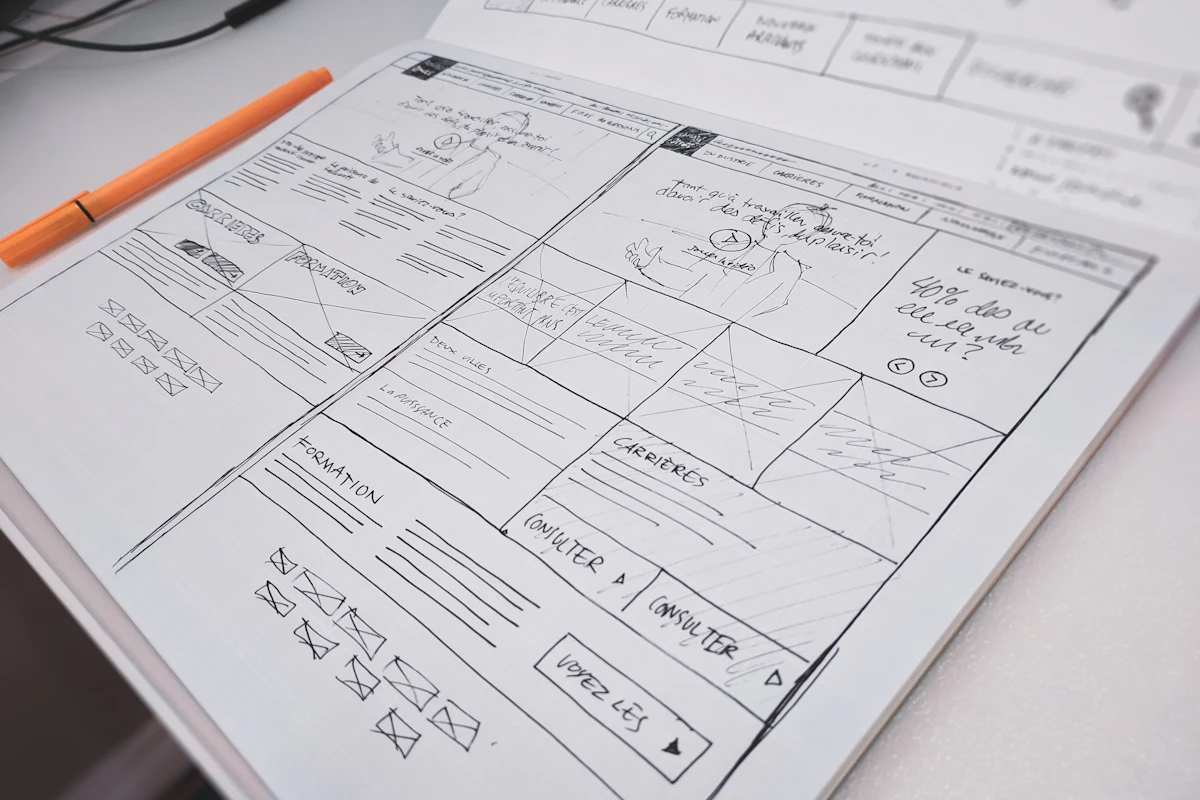
That's the catch. If you already know your positioning, who you're for and what each page needs to say, a freelancer can bring it to life well. If you don't, you'll end up with a nicer version of the same unclear message. It's the same difference I explain in brand designer vs brand strategist: one makes it look right, the other works out what it needs to say.
A freelancer suits you if you have a clear brief, your words are already written (or you're paying separately for a copywriter), and you mainly need hands to build it.
What does a strategy-led studio do differently?
A strategy-led studio starts with decisions and gets to design later. Before anyone opens a template, you work through who your right clients are, why they'd choose you, what's stopping them now, and what each page needs to do. Then the words get written, and only then does the website get built around them.
That's how I run True Bearings: four weeks of brand strategy and a website, in that order. It takes longer up front because the hard thinking happens first. Beneath the Palms Midwifery already had a lovely site that a designer had built with no strategy behind it. Once the message was sorted and the site rebuilt around it, the practice was booked out for the year within three months and added two new services.
A studio suits you if your business has grown past its website, you're getting compliments but not enquiries, and you'd rather hand the thinking to someone than write the brief yourself.
Not sure what your website is actually costing you?
Four Questions. Two minutes
How do the three options compare side by side?
Here's how they stack up on the things that tend to matter most to service businesses:
- Who works out your message: with a builder, you do. With a freelancer, usually you do. With a strategy-led studio, it's part of the job.
- Who writes the words: you, you (or a copywriter you hire), or the studio.
- Your time: builders take the most of it, freelancers need you for the brief and feedback, studios need you mostly for the strategy sessions.
- Search and AI visibility: builders give you the basic settings, freelancers vary, a good studio plans it from the start.
- Upfront cost: lowest with a builder, highest with a studio, with freelancers anywhere in between.
Cost is where most people start, and it's worth looking past the sticker price. A cheaper site that needs redoing in two years isn't cheaper. My guide to what a service business website costs in Australia breaks down what you're actually paying for at each level.
Is a website builder good enough for a service business?
Yes, for a business that's just starting. A website builder is good enough while you're testing your offer and most work comes from people who already know you. It stops being enough when strangers need to choose you from your website alone, because a template can't work out your message or explain why you're the right fit.
Which questions tell you which option you need?

Be honest with yourself on these. Your answers point to the right option faster than any comparison chart:
- Can you explain, in one sentence, who you're for and why they should choose you? If not, start with strategy.
- Are your website words already written and do they sound like you? If yes, a freelancer can probably take it from here.
- Do you have spare hours each week to build and update the site yourself? If yes, and you're early, a builder will do the job.
- Are people visiting your site and leaving without enquiring? That's usually a message problem, which design alone won't fix.
- Has your business changed a lot since the current site went live? A refresh of the look won't catch it up.
One more thing to check whichever way you go: proper foundations matter more than pretty pages. Iconic Balloons didn't get a new design at all. A structural search clean-up alone took daily search impressions from around 20 to over 100 and lifted their ranking from position 40 to 18. Whoever builds your site should be able to talk about that side, too.
Choose the option that fits the business you have now
Each of these is the right answer for someone. A builder is a smart start. A freelancer is great when the thinking is done. A strategy-led studio earns its place when you've outgrown your website and the right people can't yet see how good you are. Work out which of those sounds like you, and you'll know who to call.
Can I start with a website builder and move to a studio later?
Yes, and plenty of businesses do. Starting on a builder is sensible while you test your offer. When you move, a studio will usually rebuild rather than copy the old site across, because the structure and words change once the strategy is done. Keep your domain in your own name from day one so moving later is simple.
How do I know if a freelancer will write my website copy?
Ask them directly before you sign anything, and get it in the quote. Many freelancers design and build but expect you to supply every word. If they do write copy, ask how they'll learn what makes you different and whether you'll see a draft before design starts. Vague answers usually mean the writing is left to you.
Who owns the website if a freelancer or studio builds it?
You should, along with the domain, the content and the images. Check the agreement says so in plain words before you pay a deposit. Make sure the domain is registered in your name and that you'll get full access to the website platform at handover, so you can move or update it whenever you like.