.png)
Why SEO Matters: A Pretty Site vs a Powerful One
Your website looks great but clients still only come through referrals? Here's why SEO matters for service businesses in 2026, AI search included.

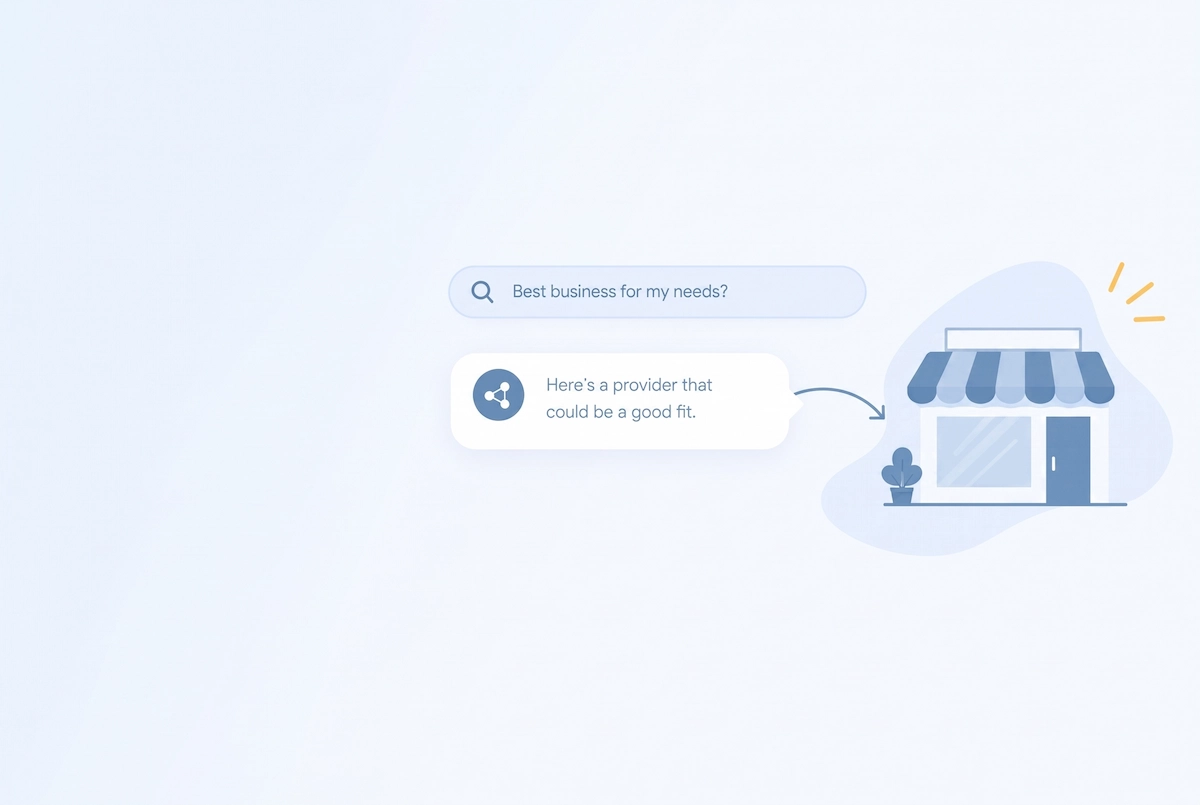
SEO matters because it lets the people already searching for the problem you solve find your business, without paying for every visit. A beautiful website isn't enough, because search engines read words, structure and trust signals, not design. Even referrals look you up before they call, so a site that's hard to find costs you enquiries.
You spent real money on your website. It looks good. You were proud of it at launch. And yet, a year later, almost every new client still comes from a referral, and when you look at the numbers (if you look at all), hardly anyone is finding the site on their own.
That is the difference between a pretty site and a powerful one. A pretty site sits there and waits to be shown to people. A powerful one gets found by the people already searching for what you do, and then gives them a reason to get in touch.
The thing that separates the two is mostly SEO. Here is what that actually means for an established service business in 2026, and what to check first.
Why is SEO important for a service business?
SEO (search engine optimisation) is what lets people find your business when they search for the problem you solve, without you paying for every visit. For a service business it matters because your best future clients are already searching, and even your referrals look you up before they call. If your site does not show up, or shows up looking vague, you lose people you never knew about.
That second point is the one most business owners miss. A referral is not a closed deal. Someone hears your name, types it into Google, and makes a judgement in seconds. If what they find is thin, dated or unclear, the referral goes cold. SEO is not only about strangers finding you. It is about being findable, and convincing, at every point someone goes looking.
Why doesn't a beautiful website get found?
Because search engines don't see what you see. They can't admire your colour palette. They read words, structure and signals of trust. In my experience, the beautiful-but-invisible sites almost always have the same handful of problems:
- Too few words. Big images, short taglines, and nothing substantial for Google to understand. If you don't explain what you do, who it's for and where, there is nothing to rank.
- Vague language. "Helping you thrive" does not match anything a real person types. "Fractional CFO for professional services firms in Brisbane" does.
- Missing basics. Page titles and meta descriptions left blank or all the same, headings used for styling rather than structure, images with no alt text.
- Technical problems nobody checked. Pages that aren't indexed, broken redirects from an old site, slow load times on mobile.
- No signals of authority. Few backlinks, no reviews, no proof that a real, experienced person is behind the business.
None of these are about design. A site can be gorgeous and still fail every one of them. That is why "pretty" and "powerful" are two different jobs, and why the strategy has to come before the build.
What does SEO look like now that AI search is here?
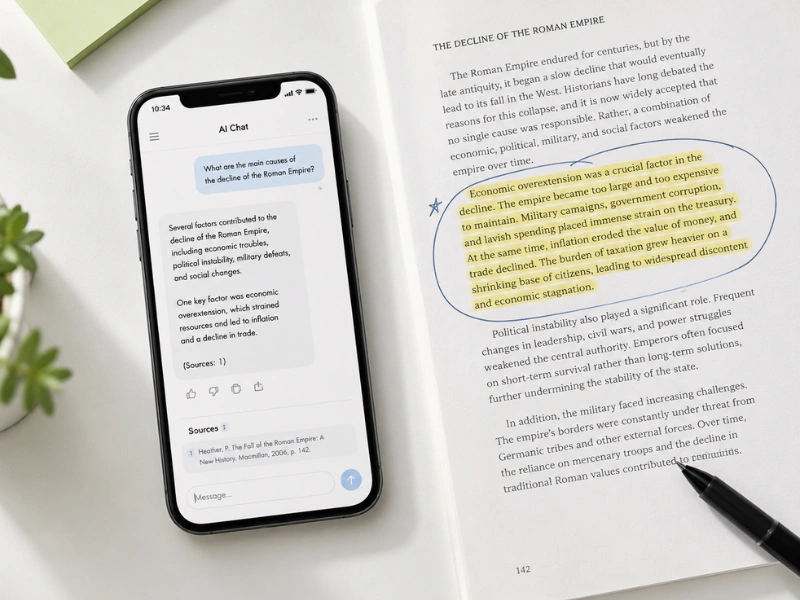
Search has changed a lot in the last couple of years. Google now shows AI Overviews at the top of many results, and plenty of people ask ChatGPT, Perplexity or Gemini the same questions they used to type into Google. That has led some people to decide SEO is dead. It isn't. It has just raised the bar.
AI tools still need sources, and they lean on the same things Google has always rewarded: clear, specific, well-structured content from businesses that look trustworthy. Google's own quality guidelines talk about E-E-A-T (experience, expertise, authoritativeness and trustworthiness), and that is a useful lens for any service business. Does your site show real experience? Named people, real case studies, specific answers to specific questions?
If you want the detail, I have written about how to show up in AI search results and what AEO (answer engine optimisation) actually is. The short version: write the way your clients ask, answer their questions directly, and prove you know what you are talking about.
Not sure what your website is actually costing you?
Four Questions. Two minutes
How do you know if your website is invisible?
Here are five red flags. If more than two sound familiar, your site is probably doing a fraction of the work it could.
- You have no idea which searches your site shows up for, or you have never opened Google Search Console.
- Your homepage is mostly images with only a line or two of text.
- You don't show up when someone searches your service plus your town, and your Google Business Profile is incomplete or out of date.
- Your enquiries come almost entirely from referrals and social media, never from "found you on Google".
- You can't say how many people visit the site each month, or what they do when they get there.
If that list stung a bit, a brand & web audit is the quickest way to find out which of these are actually costing you, in order of what to fix first.
What can you check yourself this week?
You don't need to become an SEO expert to get a clear picture. Start here:
- Google Search Console. If it is not set up, set up Google Search Console first. Then look at the Pages report (under Indexing) to see which pages Google has and hasn't indexed, and the Performance report to see which searches you appear for.
- GA4. Check how many people arrive from organic search and whether any of them reach your contact page.
- Your Google Business Profile. Make sure your services, service area, hours and photos are complete, and that you are asking happy clients for reviews. For most local service businesses this matters as much as the website. My guide to local SEO for Australian service businesses goes deeper.
- Your page titles. Search your business name and look at what appears. Does each page have a clear, specific title that says what it is and who it's for?
- Your words. Read your service pages out loud. Would a stranger know exactly what you do, who it's for and what happens next?
Does SEO actually make a difference?
Yes, though it takes time. Most businesses should think in months, not weeks, and I explain why in how long SEO takes. But the results can be very real.
Unfurl EMDR started from zero. Within two months it was getting around two enquiries a week and a GP referral a week, and ranking for EMDR therapy in Cairns. In the owner's words: "Clients, GPs and paediatricians are all finding me through my website." Elysian Lawns and Gardens had no previous presence and got 183 organic search visitors in its first three months. And for Iconic Balloons, a structural SEO clean-up alone (no redesign) took impressions from about 20 a day to more than 100, lifted clicks three to five times, and moved its ranking from position 40 to 18.
None of those were about making a site prettier. They were about making it clear, findable and trustworthy.
How do you keep a website powerful after launch?
SEO is not something you do once. Search engines change, AI tools change, your services change, and competitors keep publishing. A site that is left alone slowly slides.
That doesn't mean you need to blog every week. It means someone should be keeping an eye on indexing, fixing technical issues as they appear, updating pages when your offer changes, and adding useful content that answers the questions your clients actually ask. That is exactly what my Site Success Plans cover for Webflow sites, so the site keeps earning its keep instead of quietly going stale.
A pretty website is nice to have. A powerful one is an asset that keeps bringing the right people to you, including the referrals who check you out before they call.
Why is SEO important for a service business website?
SEO lets people find your business when they search for the problem you solve, without paying for every visit. It matters for service businesses because good clients are already searching, and even referrals look you up before they call. If your site is hard to find or looks vague, you lose enquiries you never knew about.
Why is my beautiful website getting so few visitors?
Search engines read words, structure and trust signals, not design. Beautiful sites that get little traffic usually have too little text, vague language that doesn't match real searches, missing page titles and meta descriptions, technical issues like unindexed pages, and few backlinks or reviews. A site can look great and still fail all of these.
Is SEO still worth it now that people use AI search?
Yes. AI Overviews and tools like ChatGPT still rely on sources, and they favour the same things Google rewards: clear, specific, well-structured content from businesses that show real experience and trustworthiness. Good SEO now means answering your clients' questions directly, backing it with proof, and making sure your site is technically sound and indexed.