.png)
SEO Basics for Service Businesses: A Plain-English Guide
SEO in plain English for established service businesses: how Google ranks sites, E-E-A-T, local SEO, AI search, and where to actually start.

SEO for a service business comes down to three things: helpful pages that answer what your clients search for, a technically sound site, and genuine trust signals like reviews, links and an accurate Google Business Profile. Done well, it gets you found by people who have never heard of you, in Google and in AI answers.
You're great at what you do. Your clients say so and your referrals say so. But when someone who has never heard of you searches for what you offer, you're nowhere. Or you're sitting on page three behind someone who is half as good.
That's usually a search problem, and it's a very fixable one. I'm not going to turn you into an SEO specialist here. I want you to understand enough to make good decisions, spot rubbish advice and know what to ask for.
What is SEO, in plain English?
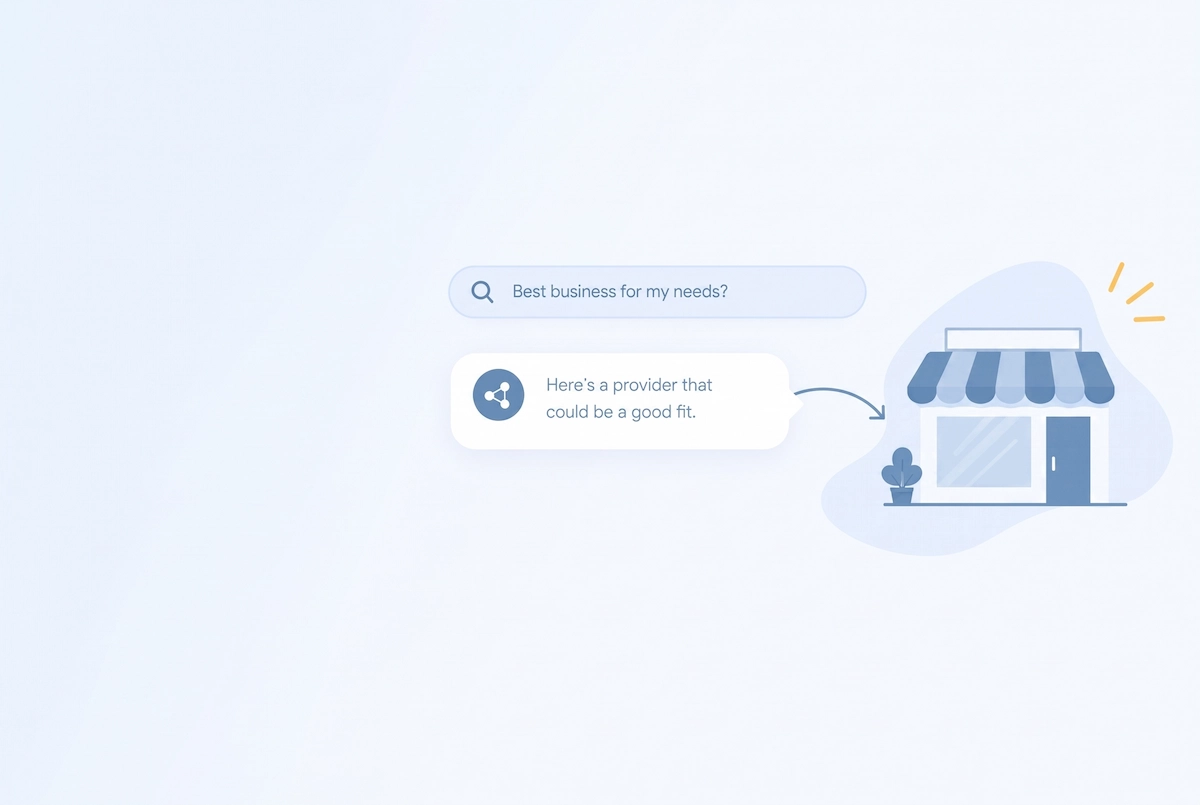
SEO (search engine optimisation) is the work of making your website easy for search engines to find, understand and trust, so it shows up when the right people search. It's the unpaid side of search: you don't pay per click, you earn the spot. These days it also covers showing up in AI answers, like Google's AI Overviews and tools such as ChatGPT and Perplexity.
The simplest way I explain it: Google's job is to send people to the most helpful, trustworthy answer. SEO is making it obvious that the answer is you.

How does Google decide who ranks?
Nobody outside Google knows the full recipe, and anyone who says they do is selling something. But Google is pretty open about what it wants: helpful, reliable content written for people first, not for search engines.
Its quality guidelines use a framework called E-E-A-T:
- Experience: have you actually done the thing you're writing about?
- Expertise: do you know the subject properly?
- Authoritativeness: are you a recognised go-to source?
- Trustworthiness: can people rely on you? Google calls this the most important of the four.
E-E-A-T isn't a score or a single ranking factor. It's the lens Google's human quality raters use to judge whether search results are any good, and it's a handy lens for you too. For an established service business, this is good news. You already have the experience and the expertise. Most websites just don't show it.
What are the main types of SEO?
There are three, and they work together.
On-page SEO
This is everything on the page itself: the words, headings, page titles, meta descriptions, image alt text and links between your pages. The biggest win I see for service businesses is giving each core service its own page that answers what people actually search: what it is, who it's for, how it works and what happens next. One vague "Services" page trying to do everything rarely ranks for anything. Regular, useful articles help too, and I've written about how blogging helps your SEO if you're wondering whether it's worth the effort.
Technical SEO
This is the plumbing. Can Google crawl and index your pages? Does the site load quickly on a phone? Is it secure (https)? Are there broken pages, messy URLs or duplicate versions of the same page? Modern platforms handle a lot of this for you, but not all of it. The easiest way to check is to set up Google Search Console, which shows you exactly which pages Google has indexed and which ones it's ignoring.
Off-page SEO
These are the signals that come from outside your website: links from other reputable sites, mentions of your business, reviews and your Google Business Profile. If you're new to this, start with what backlinks are and why they matter. Quality beats quantity every time. One link from your professional association or a respected local publication is worth more than a hundred from random directories.
Not sure what your website is actually costing you?
Four Questions. Two minutes
What is local SEO, and do I need it?
If you serve a particular area, or you want people nearby to find you, yes. Local SEO is how you show up in the map results and in searches like "EMDR therapist Cairns" or "business advisor near me".
The basics:
- A complete, active Google Business Profile with the right categories, services, hours and real photos.
- Your business name, address and phone number written the same way everywhere they appear.
- Genuine reviews, asked for consistently. Ask every happy client, but don't offer incentives or only ask the people you know loved you. Google's review policies don't allow either, and the ACCC warns businesses against fake or incentivised reviews.
- Service pages that mention the areas you actually work in, written for humans rather than stuffed with suburb names.
Unfurl EMDR is a good example. From no real online presence, within two months of launching the new site the practice was ranking for EMDR therapy in Cairns and getting two enquiries and one GP referral a week. As the owner put it: "Clients, GPs and paediatricians are all finding me through my website." There's more detail in my guide to local SEO for Australian service businesses.
How is AI search changing SEO?
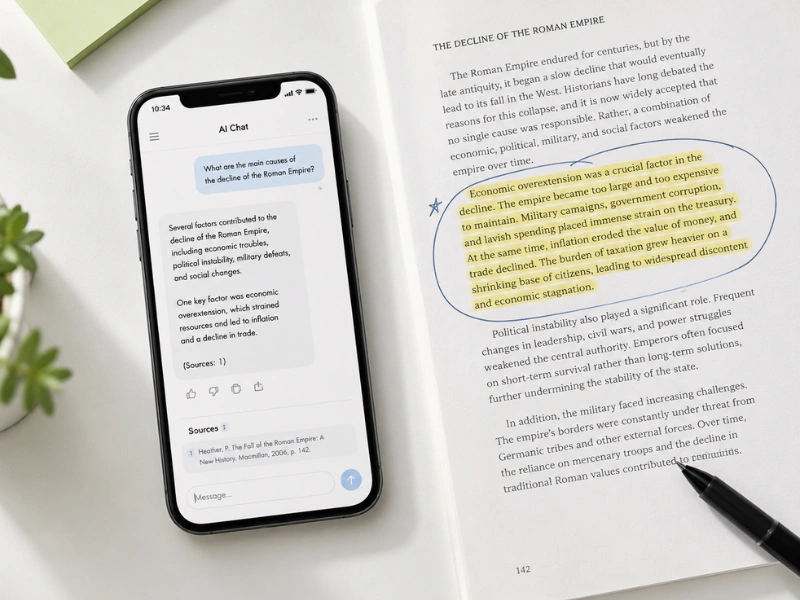
AI Overviews and answer engines like ChatGPT pull their answers from websites that explain things clearly and look trustworthy. The fundamentals haven't changed: specific, genuinely helpful content from a credible source still wins. What has changed is that structure matters more.
That means using the questions your clients ask as headings, answering them directly in the first couple of sentences, and being specific about who you help, where and how. Vague, clever copy is easy for a person to skim past and even easier for an AI to ignore. I've gone deeper on this in what AEO (answer engine optimisation) is and how to show up in AI search results.
What SEO tactics should I avoid?
The old shortcuts still get people into trouble:
- Buying links or swapping links in bulk.
- Keyword stuffing and hidden text.
- Showing Google different content from what visitors see.
- Pumping out mass-produced AI articles with nothing original in them.
- Near-identical "doorway" pages for every suburb.
Google can demote or remove pages that break its spam policies, either through its algorithms or a manual action, and climbing back is slow. Be wary of anyone who guarantees you the number one spot. Nobody can promise that.
If you'd rather have someone look at your site and tell you exactly what's holding it back, that's what my brand & web audit is for.
How long does SEO take to work?
Months, not weeks. New pages need time to be found, indexed and trusted, and competitive searches take longer than niche local ones. I've broken this down in how long SEO takes, but a couple of real examples help set expectations.
For Iconic Balloons, I only did a structural SEO clean-up, with no new content. Search impressions went from around 20 a day to more than 100, clicks went up three to five times and their ranking position moved from around 40 to 18. For Elysian Lawns and Gardens, who had no previous online presence, the new site brought in 183 organic search visitors in its first three months.
Where should I start with SEO?
If you're an established business and your website has been left to fend for itself, this is the order I'd work in:
- Set up Google Search Console and Google Analytics 4 so you can see what's really happening.
- Check that your important pages are actually indexed.
- Give each core service its own clear, specific page.
- Complete your Google Business Profile and start asking for reviews.
- Show your experience: case studies, credentials, real photos of you and your work.
- Answer the questions your clients ask you every week, on your site.
One last thing. SEO brings people to the door, but it can't make them walk in. If your site is getting visitors and still no enquiries, the problem is usually the message rather than the rankings, and this five-minute diagnostic for a website that isn't getting enquiries is a good place to start. Traffic is only worth having when the site makes the right people want to get in touch.
What is SEO in simple terms?
SEO, or search engine optimisation, is making your website easy for search engines to find, understand and trust so it shows up when the right people search. You don't pay per click. You earn the spot with clear, helpful pages, a technically sound site and genuine signals of trust like reviews and links. It now also helps you appear in AI answers.
What is E-E-A-T and does it affect my rankings?
E-E-A-T stands for experience, expertise, authoritativeness and trustworthiness. It isn't a single ranking factor or score. It's the framework Google's quality raters use to judge whether results are helpful and reliable. Showing real case studies, credentials, reviews and first-hand experience on your website lines you up with what Google is trying to reward.
How long does SEO take for a service business?
Expect months rather than weeks. New pages need time to be crawled, indexed and trusted, and competitive searches take longer than niche local ones. Technical fixes can show results sooner. One structural clean-up I did lifted daily impressions from around 20 to over 100. Consistency matters more than any single tactic, so treat SEO as ongoing care.